
amritalife.com

Ayurveda & wellnessKerala
AmritaLife
WooCommerce store for Ayurvedic healthcare products, with product categories, wholesale (B2B) pricing for trade buyers and a translated storefront.
WooCommerce development
We build WooCommerce and ecommerce websites for brands, retailers and wholesalers who want to sell online from a store they own. That means the right payment gateway for your market, shipping and tax rules that match how you actually trade, and a catalogue your team can manage, whether you sell 20 products or several thousand, in India or internationally.
Pricing: Custom quoteClear proposal before work startsHow pricing works

Why WooCommerce
WooCommerce runs on WordPress, on hosting in your name. There is no monthly platform subscription and no platform fee taken from each sale. Your products, customer list, order history and design stay yours, and you can move hosts or developers whenever you like.
It suits businesses that want control over checkout, pricing rules and content, and that want their store, blog and company pages on one website. Our ecommerce work includes stores such as AmritaLife, KartSnack and DBLAudio, which you can see in our portfolio.
Checkout essentials
Checkout is where a store wins or loses the sale. We can integrate payment gateways such as Stripe, PayPal, Razorpay and other suitable providers depending on your market and requirements, then test every route to a completed order.
Cards, wallets and local methods for your buyers. In India that usually means UPI, cards and net banking; abroad it may mean Stripe or PayPal. Merchant accounts stay in your name.
COD with order limits or extra charges, bank transfer for trade buyers, and partial payment rules where your business needs them.
Flat, weight-based or zone-based rates, free-shipping thresholds, and courier or shipping-aggregator integrations such as Shiprocket where you ship within India.
Tax classes, rates and invoices configured for your markets: GST with GSTIN and HSN codes in India, VAT for the UK or UAE, or sales tax elsewhere.
Clear order and shipping emails, admin alerts, and optional WhatsApp updates so customers are never left guessing.
Abandoned-cart reminders, coupons and GA4 ecommerce tracking, so you can see where buyers drop off and win some of them back.
Beyond a basic shop
For stores that sell to trade buyers as well as consumers, or carry a catalogue that has outgrown manual uploads.
Trade-only prices, tiered or quantity-based pricing, minimum order values, customer approval and quote requests, running alongside your retail store.
Products, attributes, variations, images and stock imported in bulk from your spreadsheet, with a structure your team can keep up to date.
Storefronts for more than one market, with currencies, languages and tax rules scoped in your quote.
Stock and order sync with accounting, inventory or CRM tools, planned as part of our integration work.
See integrationsChoosing a platform
We recommend WooCommerce when you want full ownership, flexible pricing and checkout rules, B2B features, or a content-heavy site where the store sits alongside guides and company pages. It needs regular maintenance, which we can handle.
We point people towards Shopify when they want a fully hosted platform, are happy with a monthly subscription and app fees, and don't need much customisation. We build on WooCommerce, and we'll say so honestly if Shopify fits you better. Our WooCommerce vs Shopify comparison goes through running costs, control and day-to-day effort in detail.
Already on Shopify or an older platform? We also migrate stores to WooCommerce, with redirects from old URLs to protect your search traffic.
Process
We agree product count, payment methods, shipping, tax and integrations, then send a written quote and timeline.
Home, category, product and checkout designs, shared as a live link you can review on your phone.
We build the store, import your catalogue, and configure payments, shipping and tax in test mode.
End-to-end test orders on real devices: every payment method, shipping zone, coupon and email.
The store goes live on your domain, and your team gets a walkthrough of products, orders and refunds.
Online stores get their own written timeline. The biggest factor is usually how ready the product data is.
After launch
A store handles payments and customer data, so it needs more care than a brochure site. WooCommerce, its extensions and WordPress all release regular updates, and a careless update can break checkout on a busy day.
Our website maintenance plans cover tested updates, off-site backups, security monitoring and uptime checks for WooCommerce. We also work on WooCommerce speed and checkout optimisation for existing stores: slow product pages, heavy extensions, and checkout steps that lose buyers.
FAQ
Every online store is quoted on its scope. The main factors are the number of products and variations, the payment gateways, shipping and tax rules, B2B pricing, any migration from an old store, and integrations with inventory, CRM or accounting tools. You get the scope, timeline and price in writing before work starts. Our pricing page explains how projects are charged.
Longer than a standard business website, because payments, shipping, tax and test orders all need to be set up and checked. The biggest variable is usually the product data: a clean spreadsheet with images and prices moves much faster than a catalogue that still needs writing. We give you a written timeline with the quote, before any work starts.
The WooCommerce plugin itself is free. The running costs are hosting, your domain, any paid extensions the store needs, and your payment gateway's transaction fees. There is no platform subscription and no platform commission on your sales. Many stores also choose a maintenance plan to keep updates, backups and security handled.
Yes, with the right setup. Stores with thousands of products and variations need good hosting, sensible categories and filters, optimised images, and WooCommerce's high-performance order storage (HPOS) switched on. We plan for catalogue size at the quote stage, so the store stays quick as you add products.
We can integrate payment gateways such as Stripe, PayPal, Razorpay and other suitable providers, depending on your market and requirements. For example, Razorpay supports UPI, cards and net banking for Indian buyers. Each gateway requires your business to open its own merchant account and be approved for it.
Yes. WooCommerce does not produce GST- or VAT-compliant invoices out of the box, so we configure tax classes and rates, then add an invoicing setup that shows the details your accountant needs, such as your GSTIN and HSN codes in India or VAT numbers in the UK and UAE. We recommend your accountant confirms the final invoice format.
Yes. We migrate products, categories and customers from Shopify or an older store, and order history where the old platform allows it. Old product and category URLs are mapped to the new ones with 301 redirects, to protect the search traffic you have built. Read WooCommerce vs Shopify if you're still deciding.
Portfolio
Live websites for real businesses, with screenshots taken from the live sites.
WooCommerce store for Ayurvedic healthcare products, with product categories, wholesale (B2B) pricing for trade buyers and a translated storefront.
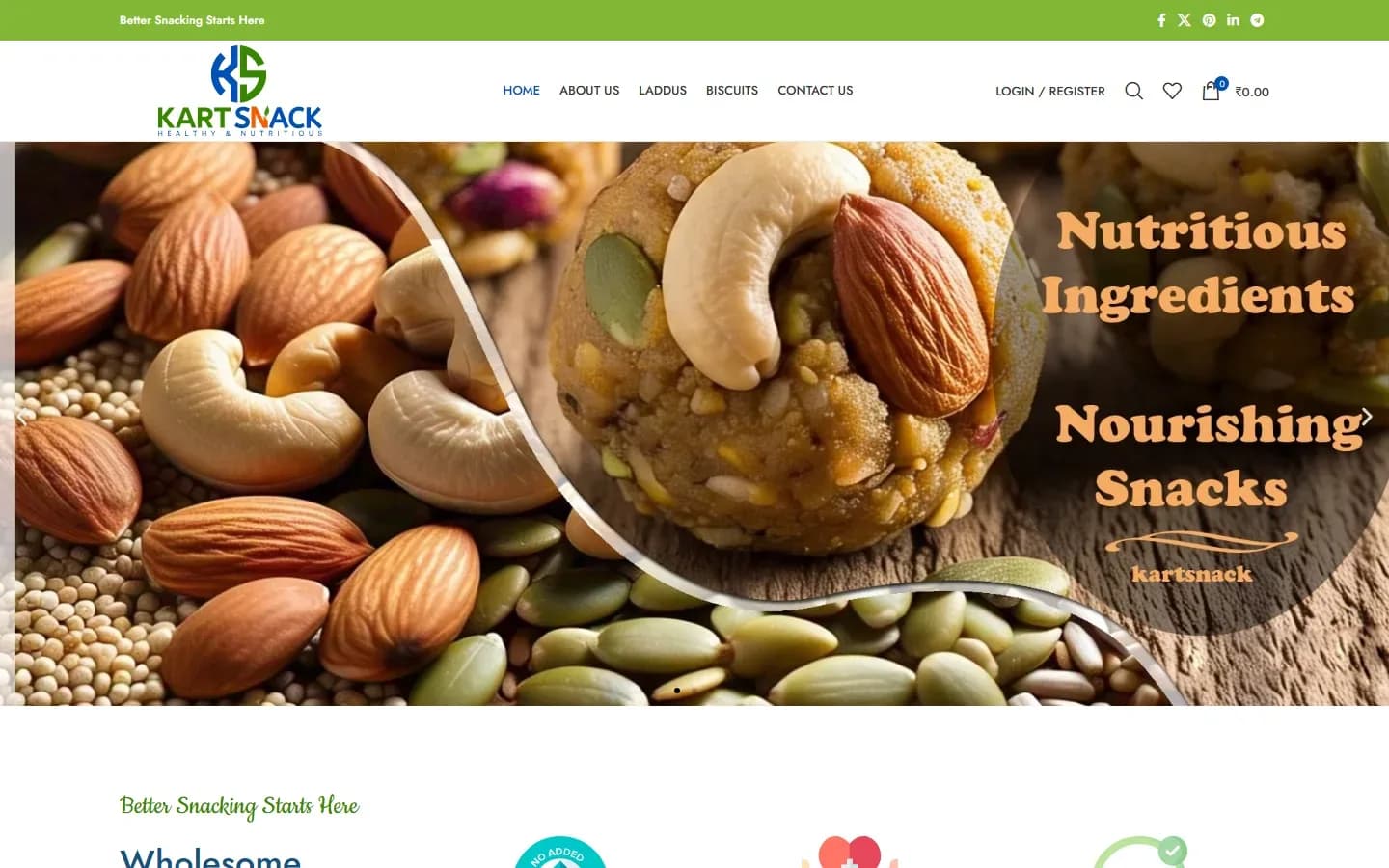
WooCommerce store for a healthy-snacks brand selling laddus and biscuits, with product categories, cart and store policies.
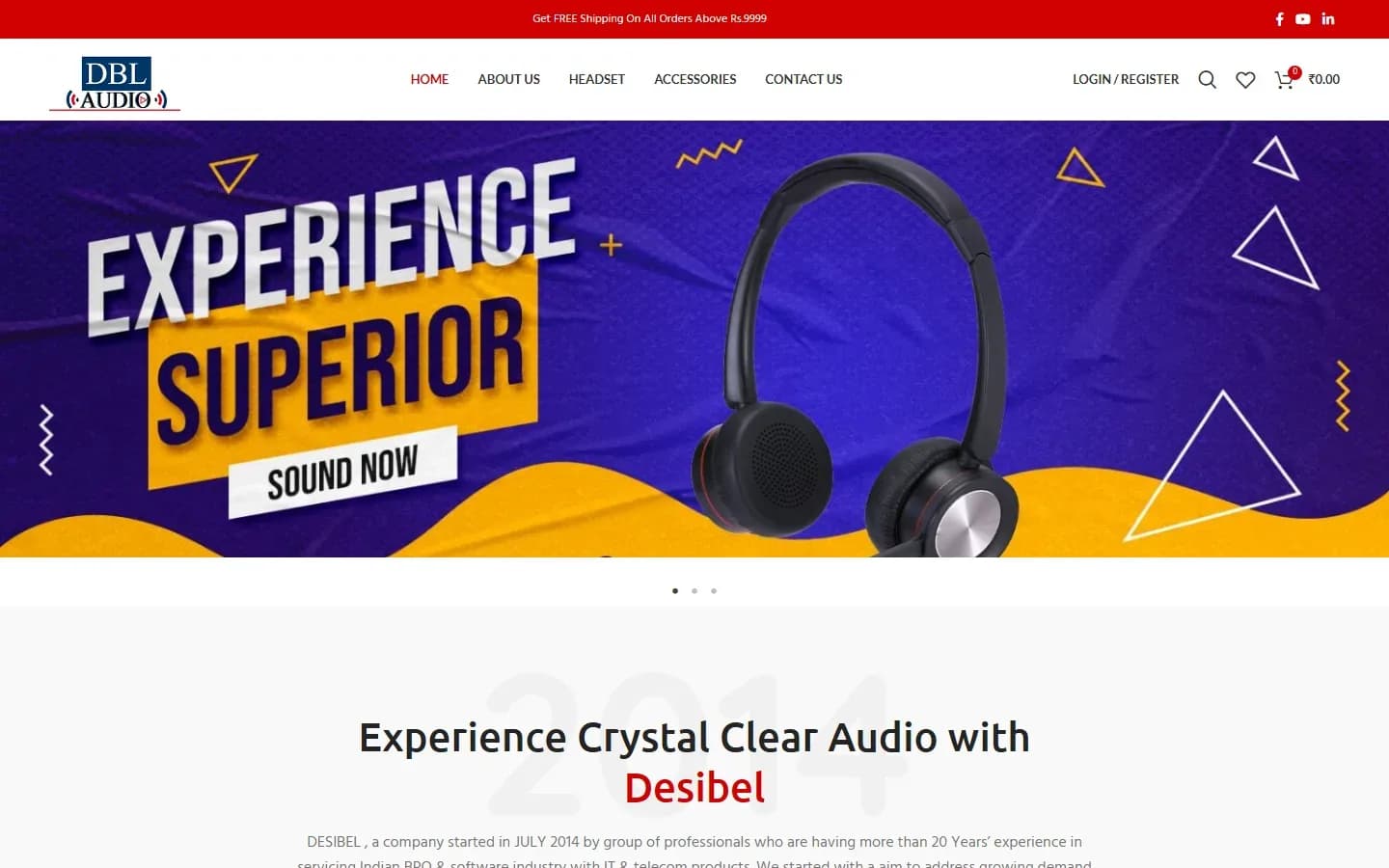
WooCommerce store for a headsets and audio-accessories brand, with a product catalogue, customer accounts and a blog.
Read next

Both platforms run successful stores. The right choice depends on who owns the store, what it costs to run each month, and how much control you need over checkout, pricing and content.
29 Sept 2026

A maintenance plan should do more than click "update". Here is what good website care covers, what it usually doesn't, and the questions to ask before you sign up.
29 Sept 2026

Many business owners find out too late that their domain, hosting or website is registered to someone else. Here's what you should own, what to ask for, and how to check today.
29 Sept 2026
Related services
We reply within 24 hours. No obligation, no sales script: just a clear answer on scope, timeline and price.