
brokermba.com
Real estateBengaluru
Broker MBA
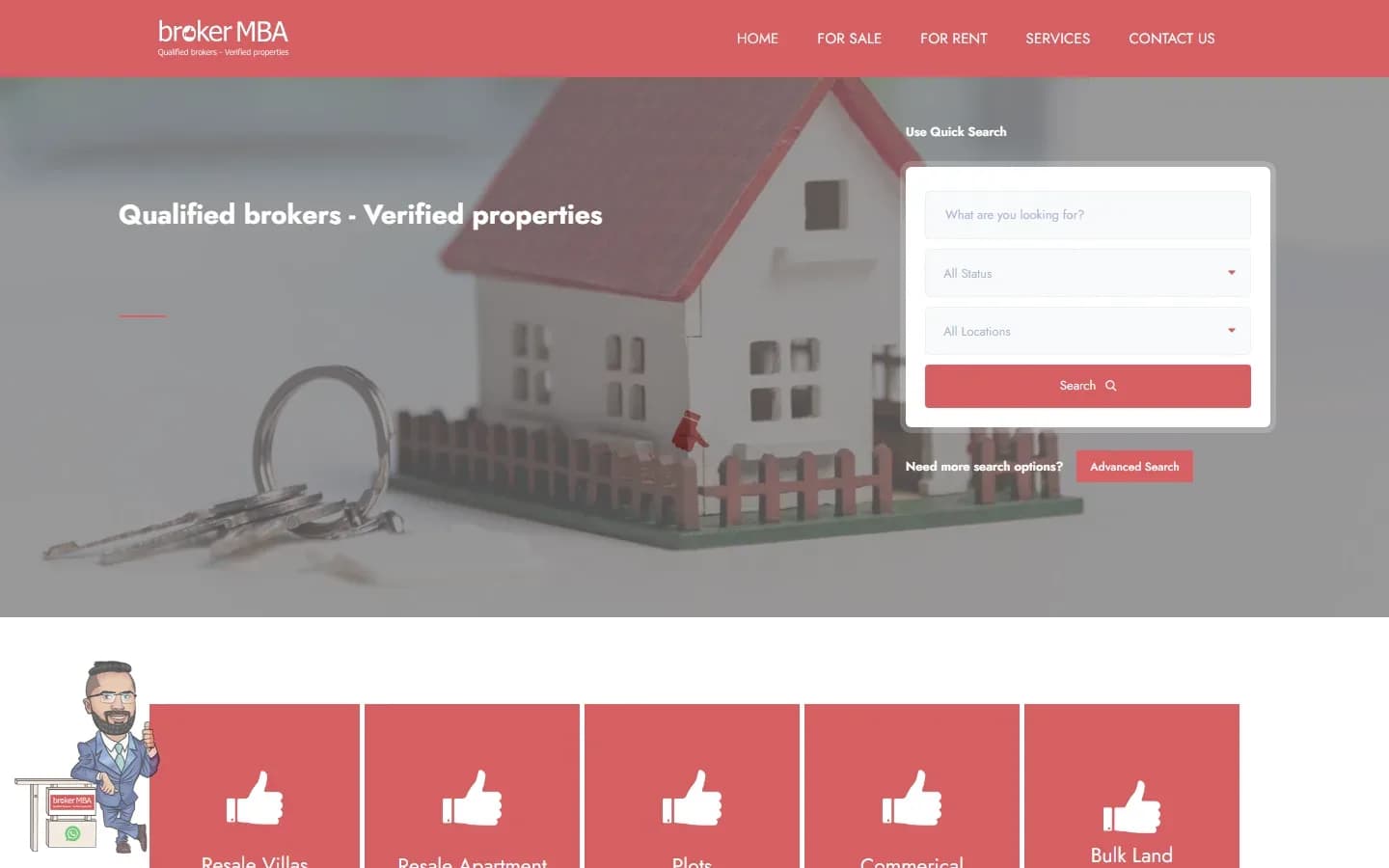
Property listing portal for a real estate brokerage, with sale and rent listings, categories, Bengaluru locality pages and search.
Real estate websites
Property buyers research a project for weeks before they call. AntsHum handles real estate website design and development for developers and brokers: developer websites, project microsites for each launch and listing portals that answer buyers' questions, show the project properly and make booking a site visit the obvious next step.

What buyers look for
Most buyers arrive on a phone, often from an ad. Each page is planned around the questions they ask first.
An embedded map, distances to schools, offices, hospitals and main roads, and an honest description of the neighbourhood.
Unit or plot layouts, sizes, specifications and amenities that are easy to browse and zoom on a phone.
A price-on-request form or a gated brochure and price sheet download, so interest turns into a lead your team can call.
Your RERA registration details shown clearly, alongside the developer's completed and ongoing projects.
A book-a-visit form, WhatsApp and click-to-call within reach on every screen.
Renders, walkthrough videos and dated construction photos that load quickly on mobile data.
What we build
The brand website tells buyers who you are: your story, completed and ongoing projects, and how to reach your sales team. We built a developer website of this kind for Bogase Realty, and for SRKP Group we built a single-page brand site with separate layouts for mobile and tablet.
A real estate microsite focuses on one project and receives the traffic from your Google and Meta campaigns. It carries the plans, location, amenities and RERA details for that project, with nothing to distract the buyer. Villa Bellissimo (Urbanize) is a project website for a villa development near Electronic City, and Earthen Hues has individual pages for each of its plotted developments in North Bengaluru. For a single campaign, see our landing page design service.
Brokers with many properties need property listing website development: search, filters, categories and locality pages. For Broker MBA we built a listing portal with sale and rent listings, property search and Bengaluru locality pages that its team can update without a developer.
Lead capture
We set up every route a buyer might use to get in touch, and make sure each lead reaches your sales team with its source.
Name, phone and the one or two questions your team needs, such as unit type or budget. Longer forms only where they earn their place.
Buyers can message or call from any page, with the project name pre-filled so your team knows the context.
Preferred date and time captured on the form, with an automatic email confirmation to the buyer.
Enquiries sent straight into CRMs such as Zoho or HubSpot, or any CRM that accepts leads by API or webhook, as Earthen Hues' forms do.
CRM and WhatsApp integrationsForm submissions, calls and WhatsApp clicks tracked in Google Analytics and your ad platforms, so you can see which campaigns bring enquiries.
Lightweight pages and compressed images, so paid clicks don't bounce while a heavy gallery loads.
Trust
Buyers look for signs that a project is genuine before they share a phone number. Display your RERA registration details where your project is advertised: on the project microsite, the project page of your main website and any campaign landing pages. You provide the registration details, and we place them consistently so they are easy to find and easy to update.
Other trust signals are simple: completed projects with real photos, clear contact details and dated construction updates, placed next to the enquiry form where doubts appear.
How a project works
Your project details, brochure, plans, renders, RERA details and the campaigns you plan to run.
We plan the pages or sections and the enquiry routes: forms, WhatsApp, calls and site visits.
Mobile-first design in your project's branding, built on WordPress so your team can edit it.
CRM, WhatsApp and tracking set up and checked with test enquiries before your ads go live.
Related services
FAQ
The information buyers check before they call: location and connectivity, floor plans or plot layouts, specifications and amenities, a gallery or walkthrough, your RERA registration details, and the developer's completed projects. Every page also needs a quick way to act: an enquiry form, WhatsApp, click-to-call and site-visit booking.
Yes. Project pages and campaign landing pages can display your RERA registration number, the regulator's website and other approval details clearly and consistently. You provide the registration details, and we make sure they appear wherever your project is advertised on the site.
Often both. A project microsite focuses on one project and works best for Google and Meta ad traffic, because every section leads to an enquiry. A developer website presents your company, all your projects and your track record, which buyers check before they commit. Many developers start with a microsite for a launch and link it to the main website. See landing page design for single-campaign pages.
Yes. We can send form enquiries and site-visit requests directly into CRMs such as Zoho CRM or HubSpot, or any CRM that accepts leads through an API or webhook, with the project and source attached. We can also add an email alert for your sales team so no lead waits. See website integrations.
Yes. Sites are built on WordPress, so your team can add listings or projects, update prices or price-on-request labels, upload floor plans and post construction updates without a developer. We show you how at handover.
It depends on what you need. A landing page for a single project is usually a smaller, defined piece of work, and website projects start from $500. Developer websites, multi-project sites and listing portals are quoted on their scope: the number of projects or listings, search and filters, CRM integration and content. You get a written proposal before work begins. See how our pricing works.
Portfolio
Live websites for real businesses, with screenshots taken from the live sites.
Property listing portal for a real estate brokerage, with sale and rent listings, categories, Bengaluru locality pages and search.
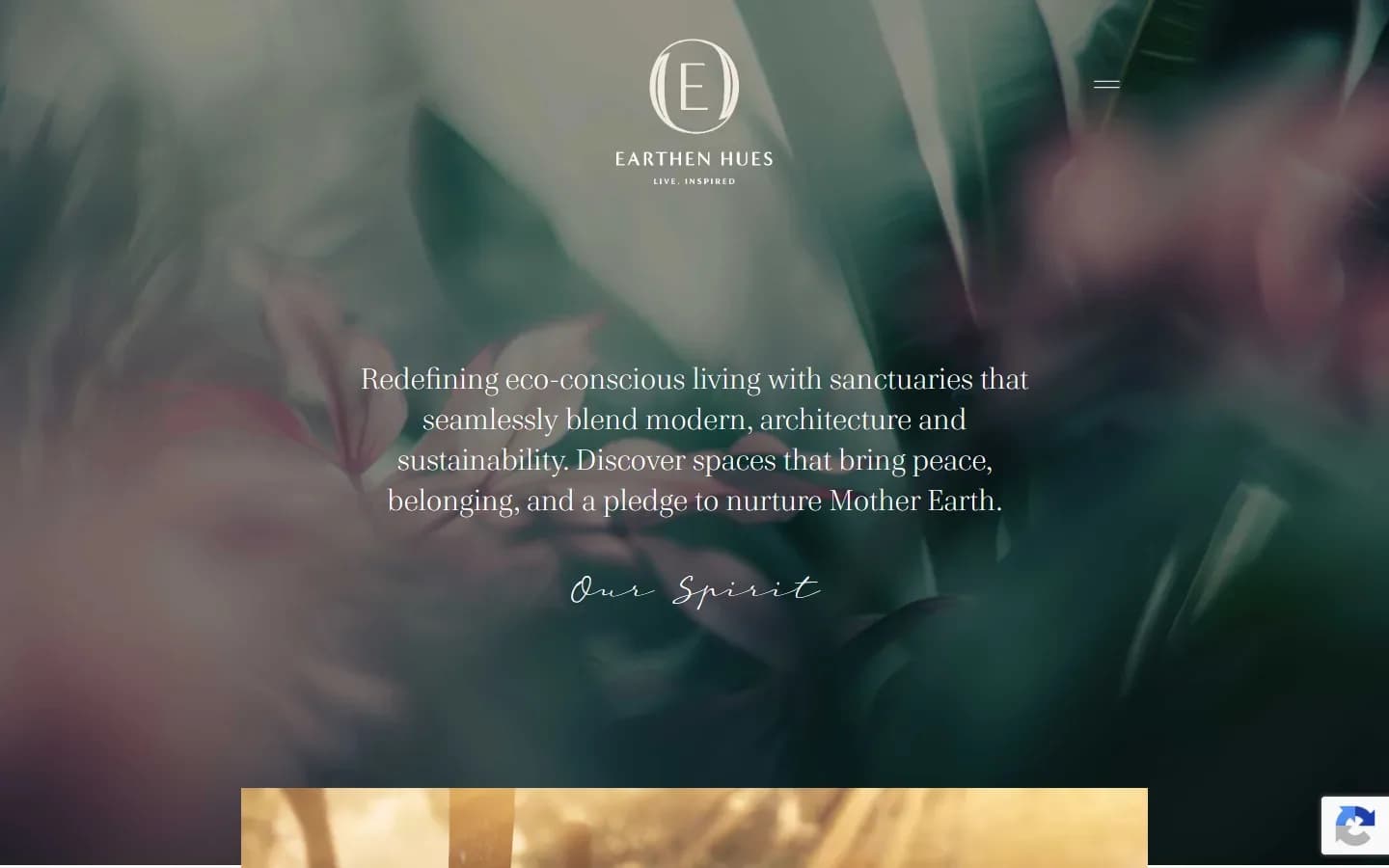
Marketing website for plotted real estate developments in North Bengaluru, with individual project pages and enquiry forms connected to a CRM.
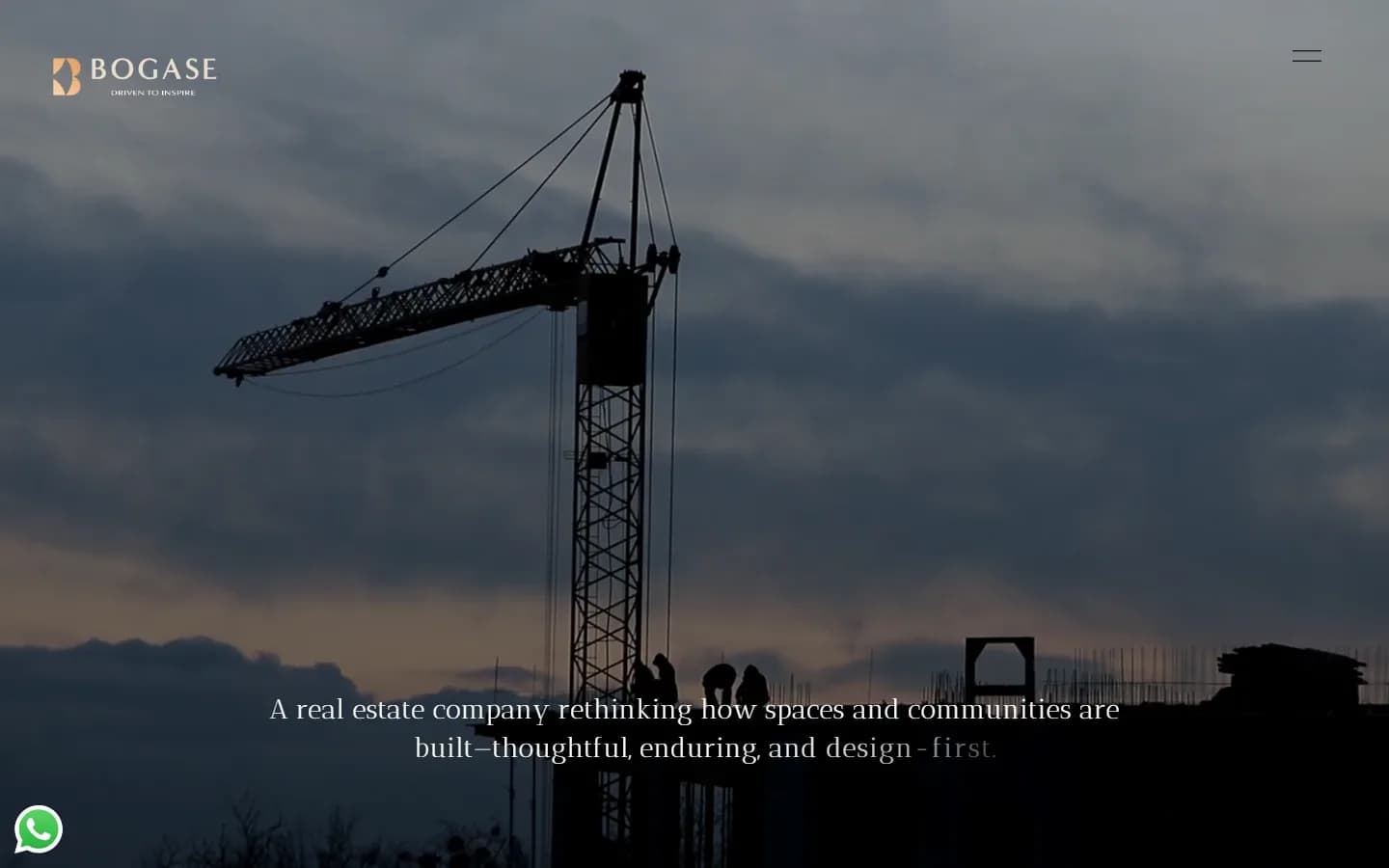
Website for a Bengaluru real estate developer.
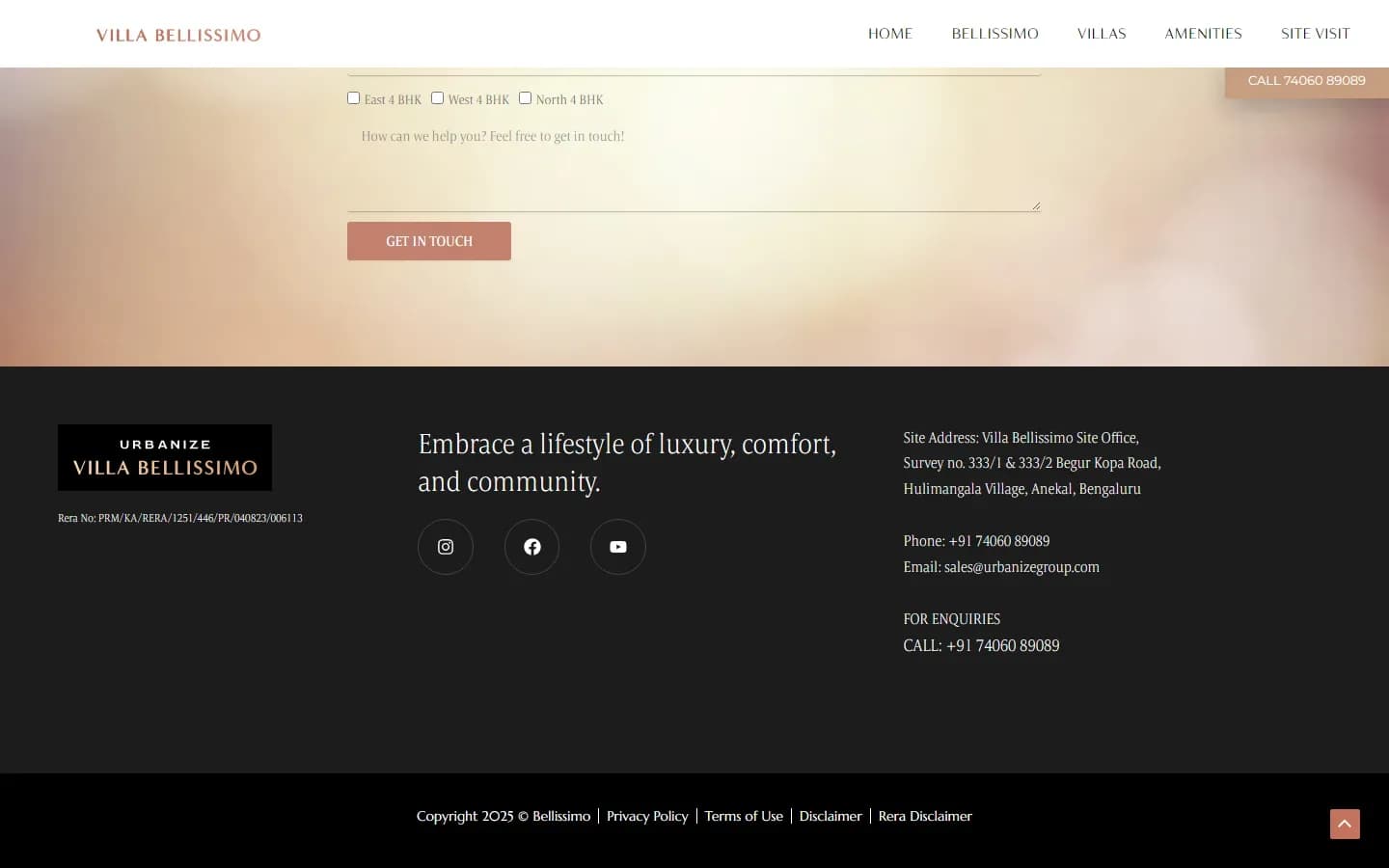
Project website for a villa development near Electronic City, Bengaluru.
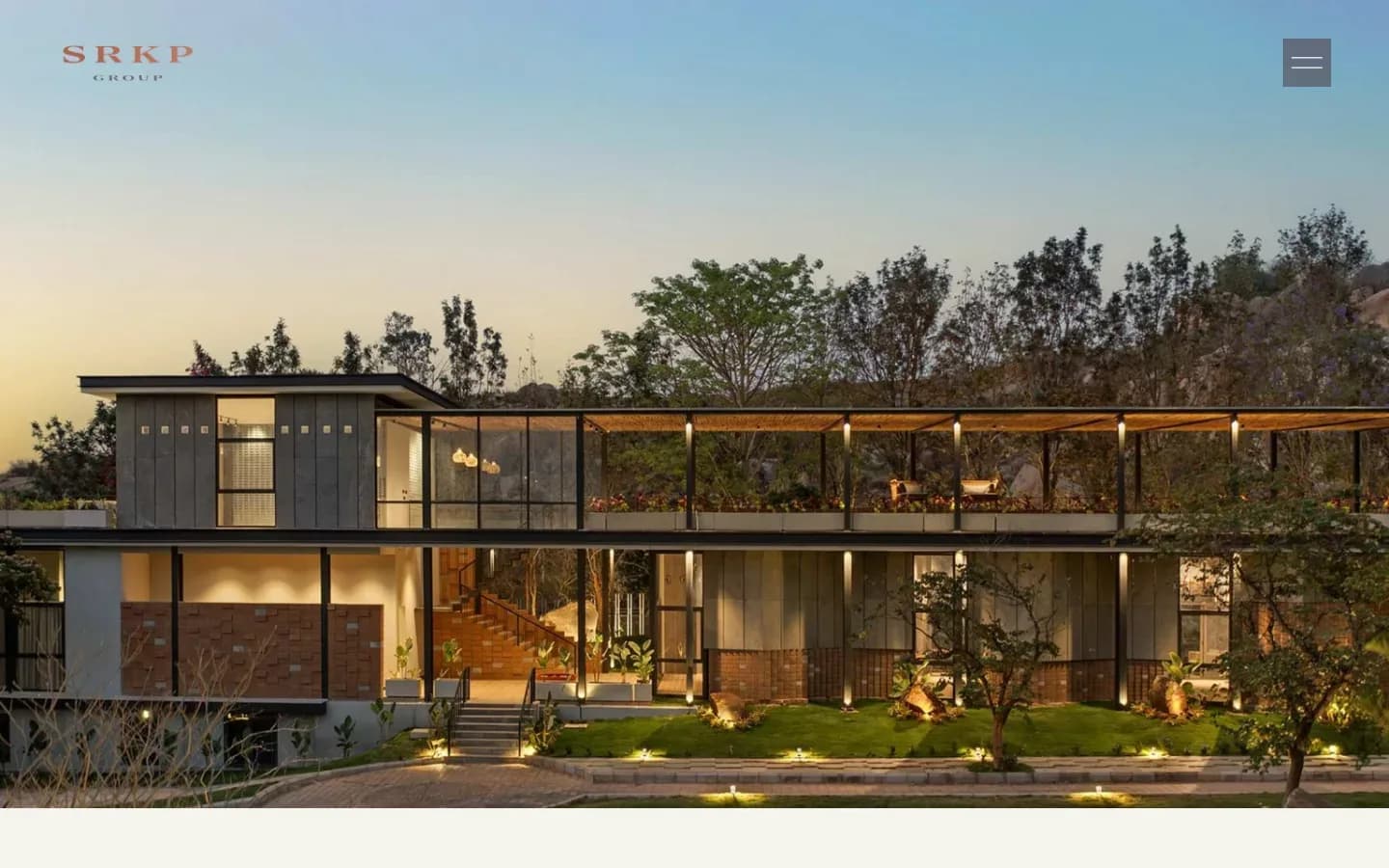
Single-page brand website for a real estate group, with separate layouts for mobile and tablet.
We reply within 24 hours. No obligation, no sales script: just a clear answer on scope, timeline and price.